Value pressure
Restaurant research keeps pointing to price sensitivity, convenience and memorable experience as the themes operators must design around.
Source: McKinsey
Business guides
A Houston takeaway business works when speed and order accuracy feel effortless in a city where many customers would rather stay in the car, collect dinner fast and keep moving.
Overview
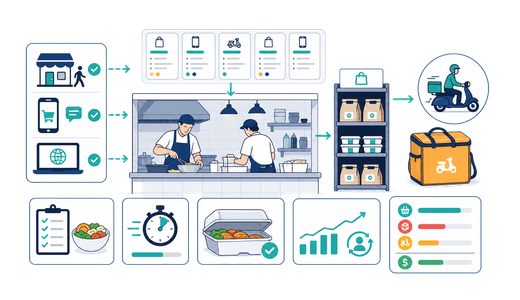
Takeaway is a natural fit for Houston because driving patterns, weather and busy schedules make convenience a strong purchase trigger. Midtown, Medical Center corridors, Energy Corridor office zones and family-heavy outer neighborhoods can each support a different version of the model, but all of them need easy pickup, clear digital ordering and packaging that travels well in heat and traffic. A takeaway shop should be built around throughput, not around dine-in theatre. Use the simulator to stress-test kitchen setup, order timing, app commissions and labour for the actual volume the location can produce.
Key stats
Value pressure
Restaurant research keeps pointing to price sensitivity, convenience and memorable experience as the themes operators must design around.
Source: McKinsey
Food safety is not optional
Food businesses need documented food handling, allergen and hygiene processes before launch, not after the first complaint.
Benchmark the margins
Tax-office small-business benchmarks are useful sense checks for food cost, labour and rent assumptions, even though your site still needs its own model.
Source: ATO
Key concepts
A great Houston takeaway site has easy access, clear signage, sensible pickup parking and a production line that does not jam at lunch or dinner. Customers judge the operation on speed and reliability first.
If the business relies on delivery apps, map how riders enter, wait and leave. Congestion at the front door quickly hurts both staff rhythm and customer perception.
Takeout concepts often weaken when the menu grows faster than the kitchen. In Houston, family bundles, lunch combos and repeatable staples usually matter more than a long board of barely distinct options.
Cost packaging, remakes and order-accuracy checks as part of production. These businesses live or die on whether the operational promise survives a stressful dinner rush.
Audience and industry
Customers for a takeaway or delivery food business in Houston should be described by routine, not by broad demographics. Identify who buys, when they buy, how often they return, what alternatives they compare, and how far they will travel. For this business, the first demand hypothesis to prove is pickup, delivery, late-night, office and neighbourhood meal occasions.
The category is crowded because strip-mall space is accessible and customer expectations are well trained. Winners are usually sharper on menu discipline, pickup flow and repeat convenience than the next generic fast-casual option.
Competition in Houston is not just the nearest similar operator. Include substitutes, online options, supermarkets, gyms, marketplaces, delivery platforms, shopping centres, petrol sites, home alternatives and any business that solves the same customer problem. Visit competitors at the same times you expect to trade.
Key factors
Proof of pickup, delivery, late-night, office and neighbourhood meal occasions in the exact Houston catchment.
Rent, outgoings, lease obligations and fit-out spend compared with conservative sales.
kitchen speed, packaging, platform operations, food quality and roster coverage
order margin after food, packaging, platform fees, labour and waste
Enough cash to survive delays, learning, seasonality and slower repeat-customer growth.
Finance model
Business Model Canvas
Specific Houston customers with repeat need for pickup, delivery, late-night, office and neighbourhood meal occasions.
A takeaway offer that is easier, faster, more trusted or more local than the alternatives.
Street visibility, local search, referrals, social proof, partnerships, delivery or marketplace channels as appropriate.
Sales driven by pickup, delivery, late-night, office and neighbourhood meal occasions; test price, volume and repeat rate separately.
food, packaging, wages, rent, delivery-platform fees, utilities and wastage; split fixed costs, variable costs and launch costs.
kitchen speed, packaging, platform operations, food quality and roster coverage
A suitable site or channel, trained people, reliable suppliers, systems, permits and enough runway.
Landlord, suppliers, advisers, local marketers, delivery or fulfilment providers, and maintenance support.
Evidence-based assumptions, staged spending, conservative break-even checks and clear exit conditions.
Common mistakes
Building a dine-in menu for a takeaway business
Engineer the food and staffing around speed, packaging and repeat convenience first.
Overrelying on delivery apps
Use apps carefully, but work toward direct repeat ordering and clear unit economics.
Ignoring the pickup experience
Treat access, parking and handoff clarity as part of the brand promise.
Case studies
A compact scenario showing how one assumption can change the result.
A compact scenario showing how one assumption can change the result.
Decision tree
Move to rent, capacity and margin stress tests.
Keep researching, pre-selling or testing with a smaller commitment.
Review startup risk, funding and compliance with advisers.
Renegotiate rent, reduce scope, change location or pause.
Prepare a launch plan with measured weekly review points.
Fix capacity, staffing, supplier or process constraints before spending more.
Self-evaluation
Early stage: tighten the assumptions before treating this as feasible.
Decision point
Use the simulator as a structured sanity check. It should support adviser conversations, not replace them.
Test your idea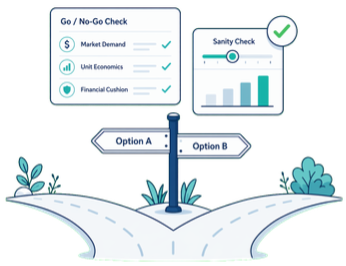
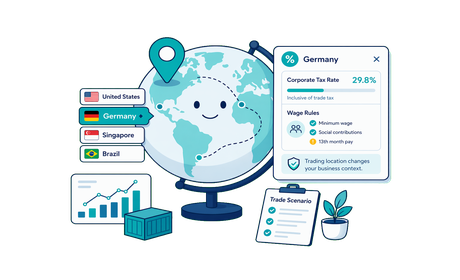
Where you trade
The guide above works as a planning framework. Confirm the rules, taxes and local context below before you commit.
Checklist
FAQ
They can work in office corridors, mixed-use pockets and suburban family routes, but only if pickup is easy and the main meal occasion is clear. Midtown, the Medical Center and outer-neighborhood strip centers can all behave differently.
Choose food that travels well, can be produced quickly and suits repeat lunch or dinner habits. A smaller menu with strong bundles often works better than a long list.
Test access, packaging, digital ordering, kitchen flow, delivery commissions and the exact corridor demand at lunch and dinner.
No. It is early planning support to help you structure assumptions before seeking qualified advice on finance, tax, lease, employment and compliance matters.
Sources
Disclaimer: smallbizsim.com provides indicative planning estimates only. It is not financial, legal, tax or investment advice. Verify assumptions with qualified advisers before making decisions.