Inventory is cash on shelves
Retail feasibility is shaped by stock turn, shrinkage, markdowns and the money tied up before items sell.
Source: ATO
Business guides
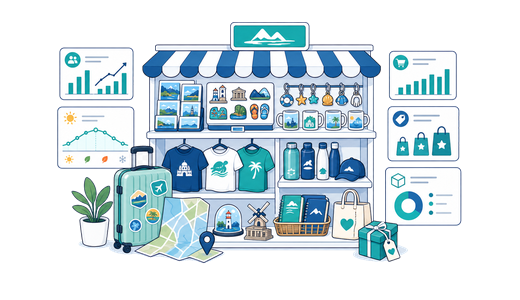
A Houston souvenir shop needs more than generic tourist trinkets; it works when it turns conventions, sports, museum visits and hometown pride into compact products people actually want to take home or gift.
Overview
Houston is not a classic walk-everywhere tourism city, so souvenir demand depends heavily on being near an existing reason to be there. Downtown events, Museum District traffic, airport-adjacent gifting, rodeo visitors, medical visitors and sports fans can all support a store, but each creates a different basket and urgency level. The best operators combine visitor demand with local pride, because one-off browse traffic is rarely enough on its own. Use the simulator to test inventory depth, seasonal calendars, rent and staffing against the specific event and visitor flow your location sees.
Key stats
Inventory is cash on shelves
Retail feasibility is shaped by stock turn, shrinkage, markdowns and the money tied up before items sell.
Source: ATO
Consumer law follows the sale
Returns, guarantees, product claims and pricing practices need to be built into store operations from day one.
Source: ACCC
Foot traffic is not demand
Retail guides and landlords talk about exposure, but feasibility depends on the share of passers-by who stop, buy and return.
Source: business.gov.au
Key concepts
Downtown, the Museum District, airport corridors and event-led zones work differently. The common thread is adjacency to hotels, attractions, sports or medical travel rather than hoping people wander in from nowhere.
Study how customers arrive: convention attendees may buy quick gifts between sessions, while locals may browse longer for premium maker goods or neighborhood-themed merchandise.
Texas motifs can help, but Houston-specific storytelling creates more useful differentiation. Neighborhood names, food culture, multicultural references, sports energy and elegant city-pride items usually outperform generic stacks of magnets.
Model inventory in tiers: impulse items, premium local-maker gifts and event-specific merch. That mix helps the store serve both travelers and hometown buyers without depending on a single price point.
Audience and industry
Customers for a souvenir or gift shop in Houston should be described by routine, not by broad demographics. Identify who buys, when they buy, how often they return, what alternatives they compare, and how far they will travel. For this business, the first demand hypothesis to prove is tourists, gift buyers, events, local makers and seasonal foot traffic.
Gift retail in Houston is strongest when it reflects the city people actually recognize: multicultural food identity, neighborhoods, teams, Texas cues and practical packability. Generic postcards and low-trust trinkets are easy to ignore in a car-first city where people do not casually wander past every day.
Competition in Houston is not just the nearest similar operator. Include substitutes, online options, supermarkets, gyms, marketplaces, delivery platforms, shopping centres, petrol sites, home alternatives and any business that solves the same customer problem. Visit competitors at the same times you expect to trade.
Key factors
Proof of tourists, gift buyers, events, local makers and seasonal foot traffic in the exact Houston catchment.
Rent, outgoings, lease obligations and fit-out spend compared with conservative sales.
range curation, stock turns, display, shrinkage control and seasonal buying
basket margin after product cost, shrinkage, markdowns and rent
Enough cash to survive delays, learning, seasonality and slower repeat-customer growth.
Finance model
Business Model Canvas
Specific Houston customers with repeat need for tourists, gift buyers, events, local makers and seasonal foot traffic.
A souvenir shop offer that is easier, faster, more trusted or more local than the alternatives.
Street visibility, local search, referrals, social proof, partnerships, delivery or marketplace channels as appropriate.
Sales driven by tourists, gift buyers, events, local makers and seasonal foot traffic; test price, volume and repeat rate separately.
product cost, freight, shrinkage, wages, rent, card fees and stale inventory; split fixed costs, variable costs and launch costs.
range curation, stock turns, display, shrinkage control and seasonal buying
A suitable site or channel, trained people, reliable suppliers, systems, permits and enough runway.
Landlord, suppliers, advisers, local marketers, delivery or fulfilment providers, and maintenance support.
Evidence-based assumptions, staged spending, conservative break-even checks and clear exit conditions.
Common mistakes
Choosing a site without destination traffic
Open where people are already visiting for a clear reason, not where you hope footfall appears.
Stocking only cheap generic items
Balance impulse products with premium, giftable Houston merchandise that locals also value.
Ignoring the event calendar
Build buying and staffing around conventions, sports, museum peaks and seasonal visitor patterns.
Case studies
A compact scenario showing how one assumption can change the result.
A compact scenario showing how one assumption can change the result.
Decision tree
Move to rent, capacity and margin stress tests.
Keep researching, pre-selling or testing with a smaller commitment.
Review startup risk, funding and compliance with advisers.
Renegotiate rent, reduce scope, change location or pause.
Prepare a launch plan with measured weekly review points.
Fix capacity, staffing, supplier or process constraints before spending more.
Self-evaluation
Early stage: tighten the assumptions before treating this as feasible.
Decision point
Use the simulator as a structured sanity check. It should support adviser conversations, not replace them.
Test your idea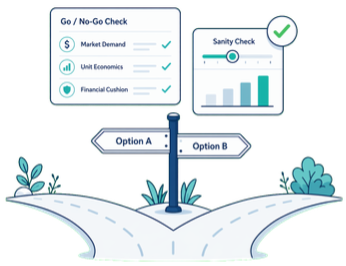
Where you trade
The guide above works as a planning framework. Confirm the rules, taxes and local context below before you commit.

Checklist
FAQ
Downtown, the Museum District and event-driven corridors usually make more sense than random strip retail because customers need a reason to be there already. Airport and medical-visitor gifting can also matter depending on the concept.
Yes. Local pride, office gifting and hometown souvenirs can create steadier demand than relying on out-of-town traffic alone.
Test compact items, neighborhood or city-pride merchandise, event-sensitive products and premium gifts that are easy to explain and easy to carry.
No. It is early planning support to help you structure assumptions before seeking qualified advice on finance, tax, lease, employment and compliance matters.
Sources
Disclaimer: smallbizsim.com provides indicative planning estimates only. It is not financial, legal, tax or investment advice. Verify assumptions with qualified advisers before making decisions.