Inventory is cash on shelves
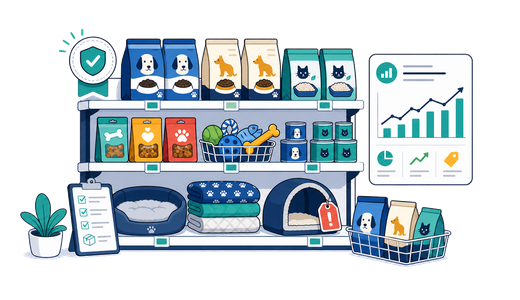
Retail feasibility is shaped by stock turn, shrinkage, markdowns and the money tied up before items sell.
Source: ATO
Business guides
A Phoenix pet store works when it serves repeat pet-owner routines better than a chain or a website. The strongest concepts focus on curated food, trusted advice, useful services or local pet culture instead of trying to win through shelf breadth alone.
Overview
Pet retail in Phoenix can draw from family suburbs, active-adult communities, dog-friendly neighbourhoods and customers who treat pets as part of everyday household planning. The challenge is that chains and online players are strong, so an independent store needs a sharper reason to exist, such as premium food, better advice, grooming or local convenience. Heat also influences pet routines, making hydration, indoor shopping comfort and practical stop-in access more relevant. Use the simulator to separate repeat consumables, toys, seasonal items and service add-ons.
Key stats
Inventory is cash on shelves
Retail feasibility is shaped by stock turn, shrinkage, markdowns and the money tied up before items sell.
Source: ATO
Consumer law follows the sale
Returns, guarantees, product claims and pricing practices need to be built into store operations from day one.
Source: ACCC
Foot traffic is not demand
Retail guides and landlords talk about exposure, but feasibility depends on the share of passers-by who stop, buy and return.
Source: business.gov.au
Key concepts
A Phoenix pet store should know whether it wins on premium nutrition, trusted advice, convenience, local community or service add-ons. Trying to out-assort the big chains is rarely the strongest opening move.
Think about the local pet culture. Family suburbs may value repeat staple purchases, while some active-adult and dog-friendly neighbourhoods may respond to curated service and community more strongly.
Toys and gifts can help, but the steadier foundation usually comes from food, litter, treats and care basics that customers rebuy. Use those routines to judge whether the site can support the lease.
Services such as grooming, wash stations or events can add differentiation, yet they also add labour and operational complexity. Keep them visible as separate assumptions.
Audience and industry
Customers for a pet supplies store in Phoenix should be described by routine, not by broad demographics. Identify who buys, when they buy, how often they return, what alternatives they compare, and how far they will travel. For this business, the first demand hypothesis to prove is repeat food purchases, treats, accessories, grooming and local pet-owner loyalty.
Phoenix supports pet retail because household growth, suburban lifestyles and strong pet attachment keep everyday demand steady. The better operators build trust and repeat buying behaviour around curated categories that feel worth leaving mass retail for.
Competition in Phoenix is not just the nearest similar operator. Include substitutes, online options, supermarkets, gyms, marketplaces, delivery platforms, shopping centres, petrol sites, home alternatives and any business that solves the same customer problem. Visit competitors at the same times you expect to trade.
Key factors
Proof of repeat food purchases, treats, accessories, grooming and local pet-owner loyalty in the exact Phoenix catchment.
Rent, outgoings, lease obligations and fit-out spend compared with conservative sales.
range selection, advice, subscriptions, grooming scheduling and stock turns
basket and service margin after stock cost, labour, wastage and freight
Enough cash to survive delays, learning, seasonality and slower repeat-customer growth.
Finance model
Business Model Canvas
Specific Phoenix customers with repeat need for repeat food purchases, treats, accessories, grooming and local pet-owner loyalty.
A pet store offer that is easier, faster, more trusted or more local than the alternatives.
Street visibility, local search, referrals, social proof, partnerships, delivery or marketplace channels as appropriate.
Sales driven by repeat food purchases, treats, accessories, grooming and local pet-owner loyalty; test price, volume and repeat rate separately.
stock, shrinkage, wages, rent, grooming labour, utilities and freight; split fixed costs, variable costs and launch costs.
range selection, advice, subscriptions, grooming scheduling and stock turns
A suitable site or channel, trained people, reliable suppliers, systems, permits and enough runway.
Landlord, suppliers, advisers, local marketers, delivery or fulfilment providers, and maintenance support.
Evidence-based assumptions, staged spending, conservative break-even checks and clear exit conditions.
Common mistakes
Trying to mirror chain-store breadth
Choose a narrower, stronger lane that gives local customers a reason to switch or stay loyal.
Overvaluing occasional impulse categories
Build the business around repeat consumables and then add gifts or novelty as secondary upside.
Adding services without operational discipline
Model grooming, wash or event add-ons separately so their staffing and space needs stay clear.
Case studies
A compact scenario showing how one assumption can change the result.
A compact scenario showing how one assumption can change the result.
Decision tree
Move to rent, capacity and margin stress tests.
Keep researching, pre-selling or testing with a smaller commitment.
Review startup risk, funding and compliance with advisers.
Renegotiate rent, reduce scope, change location or pause.
Prepare a launch plan with measured weekly review points.
Fix capacity, staffing, supplier or process constraints before spending more.
Self-evaluation
Early stage: tighten the assumptions before treating this as feasible.
Decision point
Use the simulator as a structured sanity check. It should support adviser conversations, not replace them.
Test your idea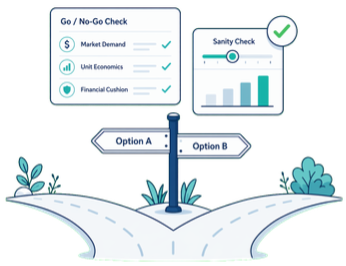
Where you trade
The guide above works as a planning framework. Confirm the rules, taxes and local context below before you commit.

Checklist
FAQ
Usually curation, trusted advice, local convenience or useful add-on services. The key is to offer something more specific than broad chain assortment or online price comparison.
Often yes, especially where households own pets and want repeat food and care purchases close to home. The exact product mix should still match the neighbourhood.
Only if the site, staffing and demand support them. They can help differentiation, but they should be modelled as a distinct operating layer rather than assumed as easy add-on revenue.
No. It is early planning support to help you structure assumptions before seeking qualified advice on finance, tax, lease, employment and compliance matters.
Sources
Disclaimer: smallbizsim.com provides indicative planning estimates only. It is not financial, legal, tax or investment advice. Verify assumptions with qualified advisers before making decisions.