Utilities can decide the model
Equipment-heavy businesses should stress-test power, water, repairs and downtime before trusting revenue projections.
Source: SBA
Business guides
In Seattle, a car wash wins when it is reliable enough for busy households and polished enough for high expectations. Busy dual-income households and apartment living support convenience services, but trust and reliability are crucial. For car washes, traffic counts, local driving habits and climate effects determine frequency far more than branding hype. Operational discipline matters because labor is expensive and expectations are high. Choose a site where drive-by convenience is obvious, then make throughput and memberships the growth engine. Use this guide to pressure-test assumptions before you enter them into the simulator.
Overview
Busy dual-income households and apartment living support convenience services, but trust and reliability are crucial. For car washes, traffic counts, local driving habits and climate effects determine frequency far more than branding hype. High minimum wage and labor expectations make efficient operations essential. Water, environmental rules, queue design and membership economics decide whether volume actually turns into profit. People value straightforward systems, punctuality and service that saves time without feeling rushed. Drivers buy on convenience, visible cleanliness and whether the site fits existing commute or errand routes. Seattle rewards operators who can match neighborhood demand in places like Wallingford and Columbia City while staying realistic about rain, wages and premium expectations. Use your own rent, staffing, fit-out and operating quotes in the simulator rather than borrowing anyone else's numbers.
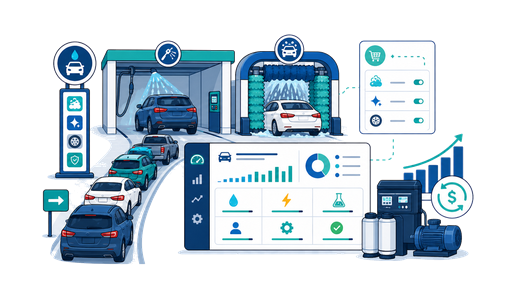
Key stats
Utilities can decide the model
Equipment-heavy businesses should stress-test power, water, repairs and downtime before trusting revenue projections.
Source: SBA
Capital is locked in early
Fit-out, machinery, lease works and maintenance reserves make staged spending more important than a glossy launch.
Source: business.gov.au
Location still matters
Even semi-automated operations need the right catchment, access, parking and visibility.
Source: SCORE
Key concepts
Busy dual-income households and apartment living support convenience services, but trust and reliability are crucial. For car washes, traffic counts, local driving habits and climate effects determine frequency far more than branding hype. People value straightforward systems, punctuality and service that saves time without feeling rushed. Drivers buy on convenience, visible cleanliness and whether the site fits existing commute or errand routes. Use Wallingford and Columbia City as contrast points when testing whether the catchment is driven by commuters, residents, students, tourists, families or destination customers.
Seattle rain, bike and transit habits, and strong neighborhood identities can change how often customers arrive and how long they stay. Model those routines directly instead of assuming fair-weather traffic or a one-size-fits-all customer profile.
High minimum wage and labor expectations make efficient operations essential. Water, environmental rules, queue design and membership economics decide whether volume actually turns into profit. Capitol Hill, Ballard, Fremont and Pike Place, rain-proof interiors, bike and transit habits, tech-worker budgets, sustainability cues, and coffee-city standards that influence every hospitality concept; plus pollen, road salt, rain or dust, commuter corridors, fleet opportunities, and whether the area supports express washes or premium detailing.
Operational discipline matters because labor is expensive and expectations are high. Choose a site where drive-by convenience is obvious, then make throughput and memberships the growth engine. Washington has no state income tax, but that does not erase Seattle wage pressure, B&O tax, permits, insurance, utilities or fit-out risk, so keep the simulator focused on evidence-backed operating assumptions.
Audience and industry
Customers for a car wash in Seattle should be described by routine, not by broad demographics. Identify who buys, when they buy, how often they return, what alternatives they compare, and how far they will travel. For this business, the first demand hypothesis to prove is passing cars, local vehicle ownership, fleet accounts and weather-sensitive repeat use.
Busy dual-income households and apartment living support convenience services, but trust and reliability are crucial. For car washes, traffic counts, local driving habits and climate effects determine frequency far more than branding hype. The outline for Seattle points founders toward Traffic counts and vehicle culture, water and environmental compliance, membership model, weather and seasonality, labor and queue design, and upsells and detailing. Capitol Hill, Ballard, Fremont and Pike Place, rain-proof interiors, bike and transit habits, tech-worker budgets, sustainability cues, and coffee-city standards that influence every hospitality concept; plus pollen, road salt, rain or dust, commuter corridors, fleet opportunities, and whether the area supports express washes or premium detailing. Washington has no state income tax, but city wage pressure, B&O tax, rent and compliance still deserve conservative assumptions.
Competition in Seattle is not just the nearest similar operator. Include substitutes, online options, supermarkets, gyms, marketplaces, delivery platforms, shopping centres, petrol sites, home alternatives and any business that solves the same customer problem. Visit competitors at the same times you expect to trade.
Key factors
Proof of passing cars, local vehicle ownership, fleet accounts and weather-sensitive repeat use in the exact Seattle catchment.
Rent, outgoings, lease obligations and fit-out spend compared with conservative sales.
bay throughput, water handling, equipment uptime, staffing and safety
average ticket after consumables, labour, utilities and equipment maintenance
Enough cash to survive delays, learning, seasonality and slower repeat-customer growth.
Finance model
Business Model Canvas
Specific Seattle customers with repeat need for passing cars, local vehicle ownership, fleet accounts and weather-sensitive repeat use.
A car wash offer that is easier, faster, more trusted or more local than the alternatives.
Street visibility, local search, referrals, social proof, partnerships, delivery or marketplace channels as appropriate.
Sales driven by passing cars, local vehicle ownership, fleet accounts and weather-sensitive repeat use; test price, volume and repeat rate separately.
water, power, chemicals, rent, maintenance, insurance and labour; split fixed costs, variable costs and launch costs.
bay throughput, water handling, equipment uptime, staffing and safety
A suitable site or channel, trained people, reliable suppliers, systems, permits and enough runway.
Landlord, suppliers, advisers, local marketers, delivery or fulfilment providers, and maintenance support.
Evidence-based assumptions, staged spending, conservative break-even checks and clear exit conditions.
Common mistakes
Mistaking visibility for repeat demand
Choose sites that match a recurring local pain point or grooming routine, not just a busy street.
Underpricing the labor model
Build the forecast around the roster, turnover time and service standard you actually need to deliver consistently.
Relying on one-off visits instead of recurrence
Use memberships, rebooking, packages or trusted routine convenience to make repeat demand explicit.
Case studies
A compact scenario showing how one assumption can change the result.
A compact scenario showing how one assumption can change the result.
Decision tree
Move to rent, capacity and margin stress tests.
Keep researching, pre-selling or testing with a smaller commitment.
Review startup risk, funding and compliance with advisers.
Renegotiate rent, reduce scope, change location or pause.
Prepare a launch plan with measured weekly review points.
Fix capacity, staffing, supplier or process constraints before spending more.
Self-evaluation
Early stage: tighten the assumptions before treating this as feasible.
Decision point
Use the simulator as a structured sanity check. It should support adviser conversations, not replace them.
Test your idea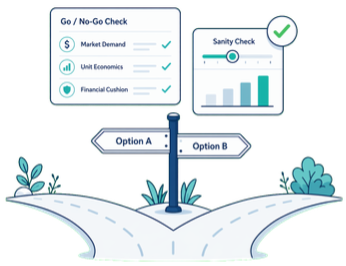
Where you trade
The guide above works as a planning framework. Confirm the rules, taxes and local context below before you commit.

Checklist
FAQ
There is no single best neighborhood. Wallingford and Columbia City are useful examples because they highlight different Seattle routines, rent profiles and customer expectations. Pick the area where the catchment, weather patterns, access and competitive set best match the habit you are trying to own.
Start with repeat demand, time-saving convenience and the real roster required to deliver a dependable service. Then test access, throughput, pricing and whether customers will return often enough to cover Seattle labor and occupancy costs.
Seattle operators should check licensing, site suitability, parking or access, Seattle minimum-wage obligations, Washington B&O tax and whether Washington having no state income tax changes owner-draw planning without removing payroll, permit, insurance or utility costs.
No. It is early planning support to help you structure assumptions before seeking qualified advice on finance, tax, lease, employment and compliance matters.
Sources
Disclaimer: smallbizsim.com provides indicative planning estimates only. It is not financial, legal, tax or investment advice. Verify assumptions with qualified advisers before making decisions.