Utilities can decide the model
Equipment-heavy businesses should stress-test power, water, repairs and downtime before trusting revenue projections.
Source: SBA
Business guides
A car wash in Manchester is only as strong as its site visibility, traffic pattern and ease for busy drivers to use without hassle. Use the simulator to test repeat frequency, labour, utilities and drainage-related costs before committing to equipment or a tricky lease.
Overview
Manchester is not one driving market. Dense city-centre zones with strong tram and rail access behave very differently from outer suburbs, retail parks and arterial roads where car dependence is higher. Rain, road grime and practical errand habits can support repeat demand, but only when entry, queuing and payment feel straightforward. The critical question is whether the chosen site fits a fast, trusted service people can build into normal routines.

Key stats
Utilities can decide the model
Equipment-heavy businesses should stress-test power, water, repairs and downtime before trusting revenue projections.
Source: SBA
Capital is locked in early
Fit-out, machinery, lease works and maintenance reserves make staged spending more important than a glossy launch.
Source: business.gov.au
Location still matters
Even semi-automated operations need the right catchment, access, parking and visibility.
Source: SCORE
Key concepts
A prominent site can still disappoint if access is awkward or the surrounding area is too walkable to generate routine car use. Outer-suburb retail parks and major roads often behave differently from inner districts where many people rely more on the tram network than on daily driving.
Map the service to a real errand pattern such as supermarket trips, school runs, commuting corridors or ride-share downtime. The best demand is convenient demand, not just noticed demand.
Manchester weather can help by making cars look dirty more quickly, but it can also reduce willingness to queue outside. Build the model around ordinary operating weeks, not only the periods after particularly messy road conditions.
Water, electricity, drainage, detergents, maintenance and staff cover can undermine a cheap-looking site if they are not surfaced early. Validate the lease and compliance obligations before assuming the main expense is equipment.
Audience and industry
Customers for a car wash in Manchester should be described by routine, not by broad demographics. Identify who buys, when they buy, how often they return, what alternatives they compare, and how far they will travel. For this business, the first demand hypothesis to prove is passing cars, local vehicle ownership, fleet accounts and weather-sensitive repeat use.
The market ranges from low-frills hand wash offers to more premium valeting and detailing. Operators often win not through glamour but through cleaner branding, clear trust signals, better customer flow and reliable standards.
Competition in Manchester is not just the nearest similar operator. Include substitutes, online options, supermarkets, gyms, marketplaces, delivery platforms, shopping centres, petrol sites, home alternatives and any business that solves the same customer problem. Visit competitors at the same times you expect to trade.
Key factors
Proof of passing cars, local vehicle ownership, fleet accounts and weather-sensitive repeat use in the exact Manchester catchment.
Rent, outgoings, lease obligations and fit-out spend compared with conservative sales.
bay throughput, water handling, equipment uptime, staffing and safety
average ticket after consumables, labour, utilities and equipment maintenance
Enough cash to survive delays, learning, seasonality and slower repeat-customer growth.
Finance model
Business Model Canvas
Specific Manchester customers with repeat need for passing cars, local vehicle ownership, fleet accounts and weather-sensitive repeat use.
A car wash offer that is easier, faster, more trusted or more local than the alternatives.
Street visibility, local search, referrals, social proof, partnerships, delivery or marketplace channels as appropriate.
Sales driven by passing cars, local vehicle ownership, fleet accounts and weather-sensitive repeat use; test price, volume and repeat rate separately.
water, power, chemicals, rent, maintenance, insurance and labour; split fixed costs, variable costs and launch costs.
bay throughput, water handling, equipment uptime, staffing and safety
A suitable site or channel, trained people, reliable suppliers, systems, permits and enough runway.
Landlord, suppliers, advisers, local marketers, delivery or fulfilment providers, and maintenance support.
Evidence-based assumptions, staged spending, conservative break-even checks and clear exit conditions.
Common mistakes
Treating visibility as proof of demand
Confirm that enough drivers can access and use the site conveniently, not just see it.
Ignoring compliance until late in the process
Verify drainage, waste-water, landlord and local-authority requirements before spending on setup.
Assuming volume fixes weak pricing
Model contribution by service tier and the labour needed to deliver each one safely.
Case studies
A compact scenario showing how one assumption can change the result.
A compact scenario showing how one assumption can change the result.
Decision tree
Move to rent, capacity and margin stress tests.
Keep researching, pre-selling or testing with a smaller commitment.
Review startup risk, funding and compliance with advisers.
Renegotiate rent, reduce scope, change location or pause.
Prepare a launch plan with measured weekly review points.
Fix capacity, staffing, supplier or process constraints before spending more.
Self-evaluation
Early stage: tighten the assumptions before treating this as feasible.
Decision point
Use the simulator as a structured sanity check. It should support adviser conversations, not replace them.
Test your idea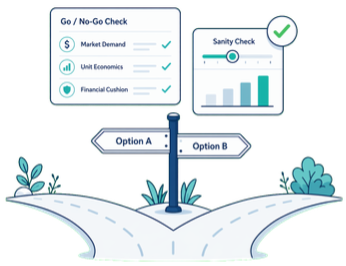
Where you trade
The guide above works as a planning framework. Confirm the rules, taxes and local context below before you commit.

Checklist
FAQ
Often less so than outer-suburb or roadside locations because central Manchester is more walkable and better served by public transport. A strong car wash usually needs convenient driver flow, not just urban visibility.
It can create repeat cleaning occasions, but it does not guarantee profitable demand. Some customers delay washes in bad weather, so the model should test normal weeks and not rely on one weather pattern.
Access, queueing space, drainage, waste-water handling, equipment fit, local authority rules and realistic staffing. Those factors can matter more than headline rent.
No. It is early planning support to help you structure assumptions before seeking qualified advice on finance, tax, lease, employment and compliance matters.
Sources
Disclaimer: smallbizsim.com provides indicative planning estimates only. It is not financial, legal, tax or investment advice. Verify assumptions with qualified advisers before making decisions.