Value pressure
Restaurant research keeps pointing to price sensitivity, convenience and memorable experience as the themes operators must design around.
Source: McKinsey
Business guides
A Vancouver takeaway shop works best with a narrow menu that travels well and matches one reliable demand engine such as office lunch, condo dinner or rainy-night delivery.
Overview
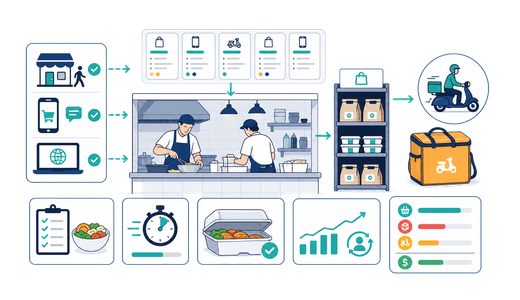
Takeaway demand in Vancouver comes from office workers, students, condo residents and customers who want food that feels fresher and lighter than generic fast food. The format can be efficient, but only if menu engineering, packaging and service speed are designed around the specific traffic pattern of the site.
Key stats
Value pressure
Restaurant research keeps pointing to price sensitivity, convenience and memorable experience as the themes operators must design around.
Source: McKinsey
Food safety is not optional
Food businesses need documented food handling, allergen and hygiene processes before launch, not after the first complaint.
Benchmark the margins
Tax-office small-business benchmarks are useful sense checks for food cost, labour and rent assumptions, even though your site still needs its own model.
Source: ATO
Key concepts
A downtown lunch business needs a different menu and staffing pattern from a rainy-night family dinner pickup shop. The winning format is usually the one that solves one repeated local need extremely well.
Observe office towers, condo density, transit stops and nearby competition to decide whether the concept lives on speed, healthy convenience, comfort food or a sharp cuisine niche.
A Vancouver takeaway concept can look attractive on app demand, but platform fees, remake risk and packaging costs should be visible on their own. Pickup can be more attractive, though only if access and handoff are easy in rain and peak traffic.
Use the simulator to test a compact menu, realistic prep capacity and channel mix before adding more items or a broader delivery radius.
Audience and industry
Customers for a takeaway or delivery food business in Vancouver should be described by routine, not by broad demographics. Identify who buys, when they buy, how often they return, what alternatives they compare, and how far they will travel. For this business, the first demand hypothesis to prove is pickup, delivery, late-night, office and neighbourhood meal occasions.
Downtown lunch corridors, Mount Pleasant mixed-use zones and residential clusters can all support takeaway, yet different dayparts dominate each. Rain often lifts delivery and pickup, while summer weekends can shift demand toward beach, park and outdoor social occasions.
Competition in Vancouver is not just the nearest similar operator. Include substitutes, online options, supermarkets, gyms, marketplaces, delivery platforms, shopping centres, petrol sites, home alternatives and any business that solves the same customer problem. Visit competitors at the same times you expect to trade.
Key factors
Proof of pickup, delivery, late-night, office and neighbourhood meal occasions in the exact Vancouver catchment.
Rent, outgoings, lease obligations and fit-out spend compared with conservative sales.
kitchen speed, packaging, platform operations, food quality and roster coverage
order margin after food, packaging, platform fees, labour and waste
Enough cash to survive delays, learning, seasonality and slower repeat-customer growth.
Finance model
Business Model Canvas
Specific Vancouver customers with repeat need for pickup, delivery, late-night, office and neighbourhood meal occasions.
A takeaway offer that is easier, faster, more trusted or more local than the alternatives.
Street visibility, local search, referrals, social proof, partnerships, delivery or marketplace channels as appropriate.
Sales driven by pickup, delivery, late-night, office and neighbourhood meal occasions; test price, volume and repeat rate separately.
food, packaging, wages, rent, delivery-platform fees, utilities and wastage; split fixed costs, variable costs and launch costs.
kitchen speed, packaging, platform operations, food quality and roster coverage
A suitable site or channel, trained people, reliable suppliers, systems, permits and enough runway.
Landlord, suppliers, advisers, local marketers, delivery or fulfilment providers, and maintenance support.
Evidence-based assumptions, staged spending, conservative break-even checks and clear exit conditions.
Common mistakes
Running too many menu items for a quick-service format
Simplify the offer until prep speed, consistency and margin are easy to protect.
Assuming delivery volume equals good profitability
Track app commissions, packaging and remake pressure separately from pickup and walk-in trade.
Ignoring the effect of rain on access and handoff
Plan pickup flow, shelter and courier readiness so wet-weather demand remains convenient.
Case studies
A compact scenario showing how one assumption can change the result.
A compact scenario showing how one assumption can change the result.
Decision tree
Move to rent, capacity and margin stress tests.
Keep researching, pre-selling or testing with a smaller commitment.
Review startup risk, funding and compliance with advisers.
Renegotiate rent, reduce scope, change location or pause.
Prepare a launch plan with measured weekly review points.
Fix capacity, staffing, supplier or process constraints before spending more.
Self-evaluation
Early stage: tighten the assumptions before treating this as feasible.
Decision point
Use the simulator as a structured sanity check. It should support adviser conversations, not replace them.
Test your idea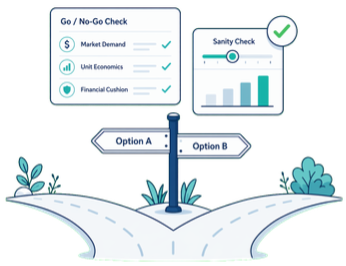
Where you trade
The guide above works as a planning framework. Confirm the rules, taxes and local context below before you commit.

Checklist
FAQ
Menus that feel fresh, portable and disciplined usually fit well. The strongest concepts solve one routine clearly, such as office lunch, post-gym food, condo dinner or rainy-night comfort delivery.
It can, especially on rainy nights, but delivery should be treated as a separate economic line. Pickup and direct repeat demand are often more valuable if the site makes collection easy.
Narrow enough that service stays fast and food still travels well. A smaller offer often outperforms a broad menu when rent and labour are already under pressure.
No. It is early planning support to help you structure assumptions before seeking qualified advice on finance, tax, lease, employment and compliance matters.
Sources
Disclaimer: smallbizsim.com provides indicative planning estimates only. It is not financial, legal, tax or investment advice. Verify assumptions with qualified advisers before making decisions.