Value pressure
Restaurant research keeps pointing to price sensitivity, convenience and memorable experience as the themes operators must design around.
Source: McKinsey
Business guides
Melbourne restaurants succeed when the concept, lease, roster and local dining occasion all fit together. Before modelling revenue, define whether the venue is a neighbourhood regular, destination booking, work-lunch spot or evening social room.
Overview
A restaurant in Melbourne is a high-touch operation where rent, labour, food cost, licensing, fit-out and service quality all move together. The location must support the dining occasion you plan to sell, whether casual weeknight meals, celebration bookings, lunch trade or late-night energy. The model should separate dine-in, takeaway, drinks and events because margins and staffing differ. Use conservative covers, supplier quotes and actual roster needs rather than the capacity printed on the floor plan.

Key stats
Value pressure
Restaurant research keeps pointing to price sensitivity, convenience and memorable experience as the themes operators must design around.
Source: McKinsey
Food safety is not optional
Food businesses need documented food handling, allergen and hygiene processes before launch, not after the first complaint.
Benchmark the margins
Tax-office small-business benchmarks are useful sense checks for food cost, labour and rent assumptions, even though your site still needs its own model.
Source: ATO
Key concepts
A CBD lunch venue, suburban neighbourhood bistro and inner-city evening restaurant face different demand patterns. Define the primary occasion and build the menu, hours, booking policy and staff model around it.
Visit the precinct on quiet nights as well as busy ones. Watch how people arrive, where they go after dinner and whether nearby venues are full because of reputation, price, convenience or scarcity.
Restaurants often fail in the gap between attractive seating capacity and real service economics. A full room needs prep, dishwashing, floor management, cleaning and owner oversight. A quieter room still carries rent and core staff.
Model food, beverages, takeaway and events separately. If outdoor dining or later trade is part of the plan, include approvals, staffing, weather exposure and neighbour management.
Audience and industry
Customers for a restaurant in Melbourne should be described by routine, not by broad demographics. Identify who buys, when they buy, how often they return, what alternatives they compare, and how far they will travel. For this business, the first demand hypothesis to prove is covers by service period, average spend, repeat diners and local reviews.
Melbourne has strong dining culture, which attracts customers but also raises expectations. Feasibility comes from a concept that suits the catchment, a menu the kitchen can execute and a lease that does not require perfect trading.
Competition in Melbourne is not just the nearest similar operator. Include substitutes, online options, supermarkets, gyms, marketplaces, delivery platforms, shopping centres, petrol sites, home alternatives and any business that solves the same customer problem. Visit competitors at the same times you expect to trade.
Key factors
Proof of covers by service period, average spend, repeat diners and local reviews in the exact Melbourne catchment.
Rent, outgoings, lease obligations and fit-out spend compared with conservative sales.
menu execution, kitchen flow, roster coverage, booking rhythm and service consistency
gross margin per cover after food, labour, wastage and occupancy pressure
Enough cash to survive delays, learning, seasonality and slower repeat-customer growth.
Finance model
Business Model Canvas
Specific Melbourne customers with repeat need for covers by service period, average spend, repeat diners and local reviews.
A restaurant offer that is easier, faster, more trusted or more local than the alternatives.
Street visibility, local search, referrals, social proof, partnerships, delivery or marketplace channels as appropriate.
Sales driven by covers by service period, average spend, repeat diners and local reviews; test price, volume and repeat rate separately.
food, beverages, wages, rent, utilities, linen, wastage and platform fees; split fixed costs, variable costs and launch costs.
menu execution, kitchen flow, roster coverage, booking rhythm and service consistency
A suitable site or channel, trained people, reliable suppliers, systems, permits and enough runway.
Landlord, suppliers, advisers, local marketers, delivery or fulfilment providers, and maintenance support.
Evidence-based assumptions, staged spending, conservative break-even checks and clear exit conditions.
Common mistakes
Forecasting from maximum seats
Use realistic turns, quiet periods, booking behaviour and staff capacity.
Letting the menu outgrow the kitchen
Test prep, equipment, storage and waste for each menu section.
Treating outdoor dining as free upside
Include permits, furniture, staffing, weather and noise management.
Case studies
A compact scenario showing how one assumption can change the result.
A compact scenario showing how one assumption can change the result.
Decision tree
Move to rent, capacity and margin stress tests.
Keep researching, pre-selling or testing with a smaller commitment.
Review startup risk, funding and compliance with advisers.
Renegotiate rent, reduce scope, change location or pause.
Prepare a launch plan with measured weekly review points.
Fix capacity, staffing, supplier or process constraints before spending more.
Self-evaluation
Early stage: tighten the assumptions before treating this as feasible.
Decision point
Use the simulator as a structured sanity check. It should support adviser conversations, not replace them.
Test your idea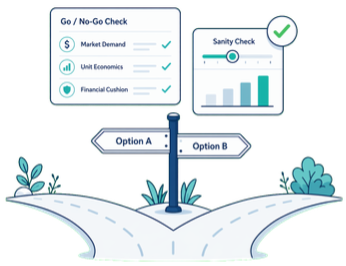
Where you trade
The guide above works as a planning framework. Confirm the rules, taxes and local context below before you commit.

Local context
Packaging rules are relevant to Melbourne restaurants that use takeaway, delivery or disposable service items.
Victoria banned selected single-use plastic service items from February 2023, affecting food-service and takeaway packaging choices.
External developments for context only — verify against primary sources before relying on them.
Checklist
FAQ
Choose the Melbourne catchment where the customer routine is visible and repeatable, then validate it in person at the hours you intend to trade. The best area is the one where your restaurant offer fits demand, access and lease terms.
Use supplier quotes, roster assumptions, occupancy terms and realistic utilisation rather than a generic city average. Keep major revenue streams separate so one optimistic line does not hide weak economics.
Check lease conditions, council rules, employment obligations, insurance and any sector-specific licences or registrations before spending heavily on fit-out, equipment or stock.
No. It is early planning support to help you structure assumptions before seeking qualified advice on finance, tax, lease, employment and compliance matters.
Sources
Disclaimer: smallbizsim.com provides indicative planning estimates only. It is not financial, legal, tax or investment advice. Verify assumptions with qualified advisers before making decisions.