Value pressure
Restaurant research keeps pointing to price sensitivity, convenience and memorable experience as the themes operators must design around.
Source: McKinsey
Business guides
A fresh juice bar in Melbourne works when healthy convenience is tied to a real routine such as gym adjacencies, office lunch trade or neighbourhood brunch spillover. The city’s wellness culture helps, but cold or wet days can quickly expose weak repeat demand if the offer is priced like a luxury rather than a habit.
Overview
Melbourne juice bars need more than attractive produce and bright branding. Feasibility depends on whether customers will buy often enough to cover produce spoilage, prep labour, rent and the service speed expected in lunch or post-workout windows. Separate juices, smoothies, bowls, add-ons and packaged grab-and-go items so margin and prep time stay visible. The best sites are usually linked to a recurring health or convenience mission, not just general foot traffic.
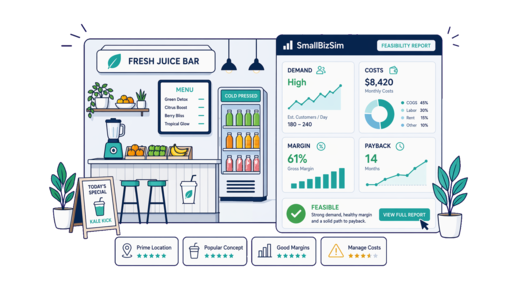
Key stats
Value pressure
Restaurant research keeps pointing to price sensitivity, convenience and memorable experience as the themes operators must design around.
Source: McKinsey
Food safety is not optional
Food businesses need documented food handling, allergen and hygiene processes before launch, not after the first complaint.
Benchmark the margins
Tax-office small-business benchmarks are useful sense checks for food cost, labour and rent assumptions, even though your site still needs its own model.
Source: ATO
Key concepts
A juice bar near a gym, wellness precinct, office cluster or tram-connected shopping strip behaves very differently from one in a general retail corridor. Observe what nearby customers already buy when they want a fast health-led snack or drink.
Brunswick and Fitzroy may reward sharper independent positioning, while South Yarra can carry more polished premium presentation. Either way, the offer needs a real routine and not just aspirational branding.
Melbourne weather can change the shape of walk-in refreshment trade, so the model should not rely on hot afternoons all year. Keep warm add-ons, packaged items or broader lunch options visible if they are meant to support colder periods.
Prep, cleaning, produce ordering and waste tracking should be costed before assuming bowls or smoothies are easy margin. The labour behind freshness is part of the product promise.
Audience and industry
Customers for a fresh juice bar in Melbourne should be described by routine, not by broad demographics. Identify who buys, when they buy, how often they return, what alternatives they compare, and how far they will travel. For this business, the first demand hypothesis to prove is repeat local demand, visible catchment fit and sustainable booking or transaction volume.
Melbourne has health-conscious consumers, boutique gyms and brunch-friendly high streets, but customers still compare value quickly. A juice bar needs a clear freshness story and a repeatable reason to visit beyond launch novelty.
Competition in Melbourne is not just the nearest similar operator. Include substitutes, online options, supermarkets, gyms, marketplaces, delivery platforms, shopping centres, petrol sites, home alternatives and any business that solves the same customer problem. Visit competitors at the same times you expect to trade.
Key factors
Proof of repeat local demand, visible catchment fit and sustainable booking or transaction volume in the exact Melbourne catchment.
Rent, outgoings, lease obligations and fit-out spend compared with conservative sales.
capacity utilisation, staffing coverage, customer experience, stock or equipment control and repeat sales routines
contribution margin after direct costs, labour pressure and occupancy cost
Enough cash to survive delays, learning, seasonality and slower repeat-customer growth.
Finance model
Business Model Canvas
Specific Melbourne customers with repeat need for repeat local demand, visible catchment fit and sustainable booking or transaction volume.
A fresh juice bar offer that is easier, faster, more trusted or more local than the alternatives.
Street visibility, local search, referrals, social proof, partnerships, delivery or marketplace channels as appropriate.
Sales driven by repeat local demand, visible catchment fit and sustainable booking or transaction volume; test price, volume and repeat rate separately.
rent, wages, supplies, product cost, utilities, insurance and payment fees; split fixed costs, variable costs and launch costs.
capacity utilisation, staffing coverage, customer experience, stock or equipment control and repeat sales routines
A suitable site or channel, trained people, reliable suppliers, systems, permits and enough runway.
Landlord, suppliers, advisers, local marketers, delivery or fulfilment providers, and maintenance support.
Evidence-based assumptions, staged spending, conservative break-even checks and clear exit conditions.
Common mistakes
Confusing health interest with purchase frequency
Prove that nearby customers will buy often enough to cover premium rent and produce spoilage.
Offering too many low-turn ingredients
Launch with a disciplined menu that protects freshness, speed and stock control.
Ignoring winter softness
Model cooler-month demand and any supporting product lines before signing a premium lease.
Case studies
A compact scenario showing how one assumption can change the result.
A compact scenario showing how one assumption can change the result.
Decision tree
Move to rent, capacity and margin stress tests.
Keep researching, pre-selling or testing with a smaller commitment.
Review startup risk, funding and compliance with advisers.
Renegotiate rent, reduce scope, change location or pause.
Prepare a launch plan with measured weekly review points.
Fix capacity, staffing, supplier or process constraints before spending more.
Self-evaluation
Early stage: tighten the assumptions before treating this as feasible.
Decision point
Use the simulator as a structured sanity check. It should support adviser conversations, not replace them.
Test your idea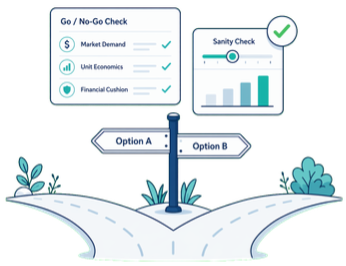
Where you trade
The guide above works as a planning framework. Confirm the rules, taxes and local context below before you commit.

Checklist
FAQ
Look for catchments with visible wellness routines such as gym clusters, office lunch missions or brunch-heavy strips where customers already buy quick health-led items. The best site is the one where repeat demand is obvious on ordinary weekdays, not only on sunny weekends.
Keep juices, smoothies, bowls, add-ons and delivery separate because the prep load and margin are different. Then test whether the average customer visits often enough to make the concept a habit instead of an occasional splurge.
Check food-business registration, fit-out approvals, waste and refrigeration requirements, employment obligations, signage rules and insurance before committing to equipment or a lease.
No. It is early planning support to help you structure assumptions before seeking qualified advice on finance, tax, lease, employment and compliance matters.
Sources
Disclaimer: smallbizsim.com provides indicative planning estimates only. It is not financial, legal, tax or investment advice. Verify assumptions with qualified advisers before making decisions.