Inventory is cash on shelves
Retail feasibility is shaped by stock turn, shrinkage, markdowns and the money tied up before items sell.
Source: ATO
Business guides
A Phoenix florist has to balance perishability with repeat gifting occasions. The business works best when it combines everyday bouquets with weddings, sympathy, resort gifting and corporate relationships instead of relying on one holiday spike.
Overview
Floristry in Phoenix is shaped by delivery radius, event partnerships and the challenge of protecting delicate inventory in desert heat. A Scottsdale florist may lean into premium design and wedding spend, while suburban corridors may reward dependable convenience and everyday gifting. Hospitals, resorts, funeral homes and event venues can all influence demand, but their timing and pricing logic differ. Use the simulator to test walk-in sales, deliveries, weddings and corporate work as separate channels.
Key stats
Inventory is cash on shelves
Retail feasibility is shaped by stock turn, shrinkage, markdowns and the money tied up before items sell.
Source: ATO
Consumer law follows the sale
Returns, guarantees, product claims and pricing practices need to be built into store operations from day one.
Source: ACCC
Foot traffic is not demand
Retail guides and landlords talk about exposure, but feasibility depends on the share of passers-by who stop, buy and return.
Source: business.gov.au
Key concepts
A florist near Old Town Scottsdale, a hospital corridor or a suburban family centre can all work, but they each call for different design style, average spend and delivery expectations. Be clear whether you are selling premium arrangements, last-minute convenience or event expertise.
Phoenix sprawl makes delivery planning important. Customers will pay for reliability, especially when flowers mark time-sensitive moments such as funerals, birthdays or resort stays.
Wedding and event floristry can lift revenue, but it also adds consultations, sourcing complexity and installation labour. Keep it separate from daily bouquet trade so the business is not judged by occasional peaks alone.
Heat, storage and vehicle conditions can quietly affect waste. Build those operating realities into assumptions before assuming a high-end floral concept is automatically protected by higher pricing.
Audience and industry
Customers for a florist in Phoenix should be described by routine, not by broad demographics. Identify who buys, when they buy, how often they return, what alternatives they compare, and how far they will travel. For this business, the first demand hypothesis to prove is everyday gifting, events, sympathy orders, subscriptions and delivery demand.
Phoenix benefits florists through population growth, year-round life events, winter visitor gifting and a metro layout where reliable delivery can be a real competitive advantage. The stronger shops stand out through style and dependability, not just stem prices.
Competition in Phoenix is not just the nearest similar operator. Include substitutes, online options, supermarkets, gyms, marketplaces, delivery platforms, shopping centres, petrol sites, home alternatives and any business that solves the same customer problem. Visit competitors at the same times you expect to trade.
Key factors
Proof of everyday gifting, events, sympathy orders, subscriptions and delivery demand in the exact Phoenix catchment.
Rent, outgoings, lease obligations and fit-out spend compared with conservative sales.
freshness, waste control, supplier timing, design labour and delivery reliability
order margin after stems, packaging, wastage, design time and delivery
Enough cash to survive delays, learning, seasonality and slower repeat-customer growth.
Finance model
Business Model Canvas
Specific Phoenix customers with repeat need for everyday gifting, events, sympathy orders, subscriptions and delivery demand.
A florist offer that is easier, faster, more trusted or more local than the alternatives.
Street visibility, local search, referrals, social proof, partnerships, delivery or marketplace channels as appropriate.
Sales driven by everyday gifting, events, sympathy orders, subscriptions and delivery demand; test price, volume and repeat rate separately.
flowers, foliage, packaging, wages, rent, courier costs and spoilage; split fixed costs, variable costs and launch costs.
freshness, waste control, supplier timing, design labour and delivery reliability
A suitable site or channel, trained people, reliable suppliers, systems, permits and enough runway.
Landlord, suppliers, advisers, local marketers, delivery or fulfilment providers, and maintenance support.
Evidence-based assumptions, staged spending, conservative break-even checks and clear exit conditions.
Common mistakes
Relying on holiday spikes to justify the lease
Build the business around everyday gifting and relationship revenue, then treat holidays as upside rather than the whole case.
Blending weddings into normal store economics
Model event work separately because labour, consultations and sourcing behave differently from retail bouquets.
Underestimating climate and delivery exposure
Include cooling, perishability and route planning in the operational assumptions from the start.
Case studies
A compact scenario showing how one assumption can change the result.
A compact scenario showing how one assumption can change the result.
Decision tree
Move to rent, capacity and margin stress tests.
Keep researching, pre-selling or testing with a smaller commitment.
Review startup risk, funding and compliance with advisers.
Renegotiate rent, reduce scope, change location or pause.
Prepare a launch plan with measured weekly review points.
Fix capacity, staffing, supplier or process constraints before spending more.
Self-evaluation
Early stage: tighten the assumptions before treating this as feasible.
Decision point
Use the simulator as a structured sanity check. It should support adviser conversations, not replace them.
Test your idea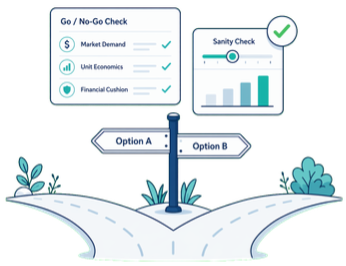
Where you trade
The guide above works as a planning framework. Confirm the rules, taxes and local context below before you commit.

Checklist
FAQ
Usually a mix of reliable delivery, clear design style and strong local relationships with venues, hospitals, offices or planners. In a spread-out metro, dependability matters a lot.
That is risky on its own. Weddings can be meaningful, but most florists should also model everyday bouquets, sympathy work and recurring accounts.
Often yes, especially in cooler months and resort-heavy or retirement-adjacent areas where gifting and hosting patterns can rise seasonally.
No. It is early planning support to help you structure assumptions before seeking qualified advice on finance, tax, lease, employment and compliance matters.
Sources
Disclaimer: smallbizsim.com provides indicative planning estimates only. It is not financial, legal, tax or investment advice. Verify assumptions with qualified advisers before making decisions.