Retention beats hype
Wellness studios depend on recurring visits, instructor trust and a calendar that turns first-timers into habits.
Source: Yoga Alliance
Business guides
Auckland dance studios are retention businesses disguised as creative businesses. The concept only works when class density, parent convenience, teacher quality and recital culture produce enough long-term enrolments to carry the room costs across the full year.
Overview
A dance studio in Auckland can serve preschool movement, school-age technique, adult fitness, social dance or competition-focused training, but each programme creates a different timetable and room-usage pattern. Before choosing a central lifestyle location or a suburban convenience tenancy, decide which students you most need, what time they will attend, and whether parents, adult learners or serious dancers can reach the site easily enough to stay for years rather than weeks.
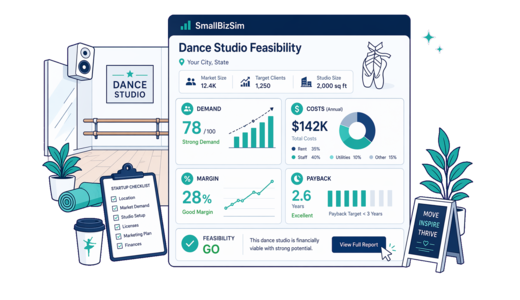
Key stats
Retention beats hype
Wellness studios depend on recurring visits, instructor trust and a calendar that turns first-timers into habits.
Source: Yoga Alliance
Credentials matter
Massage and movement businesses should treat training, scope of practice and insurance as commercial trust signals as well as compliance checks.
Source: AMTA
Wages move break-even
Award rates, contractor settings and penalty rates can materially change the class or appointment volume needed to break even.
Source: Fair Work Ombudsman
Key concepts
North Shore and suburban centres often suit children’s programmes because parents can drive, park and coordinate classes with school and weekend sport. Central-isthmus locations such as Mt Eden, Grey Lynn or Grafton may better suit adult classes, student demand or specialised styles that benefit from public transport and a stronger creative identity.
Do not let aesthetics decide the lease. Count when students would arrive, whether adults want evening classes, and how traffic, parking and pickup timing affect the experience. In Auckland, a beautiful studio can still struggle if the timetable fights the suburb.
Dance studios carry real floor-space costs, so each room should have a job in the weekly timetable. Separate preschool, school-age, teen, adult and competition classes so you can see which programmes create the strongest recurring revenue and which ones leave unusable gaps. Recitals, costumes and performance opportunities can improve retention, but they also add planning and seasonal workload.
Teacher payroll, relief cover, music licensing, flooring, mirrors, heating and admin time belong in the base case. If the concept only works when every room is full after school every day, the lease is likely too ambitious for the proven demand.
Audience and industry
Customers for a dance studio in Auckland should be described by routine, not by broad demographics. Identify who buys, when they buy, how often they return, what alternatives they compare, and how far they will travel. For this business, the first demand hypothesis to prove is repeat local demand, visible catchment fit and sustainable booking or transaction volume.
Auckland has strong dance demand across kids programmes, cultural forms, fitness-led classes and performance pathways, but families and adult learners both favour convenience. Parking, waiting space and timetable clarity often matter more than fashionable positioning.
Competition in Auckland is not just the nearest similar operator. Include substitutes, online options, supermarkets, gyms, marketplaces, delivery platforms, shopping centres, petrol sites, home alternatives and any business that solves the same customer problem. Visit competitors at the same times you expect to trade.
Key factors
Proof of repeat local demand, visible catchment fit and sustainable booking or transaction volume in the exact Auckland catchment.
Rent, outgoings, lease obligations and fit-out spend compared with conservative sales.
capacity utilisation, staffing coverage, customer experience, stock or equipment control and repeat sales routines
contribution margin after direct costs, labour pressure and occupancy cost
Enough cash to survive delays, learning, seasonality and slower repeat-customer growth.
Finance model
Business Model Canvas
Specific Auckland customers with repeat need for repeat local demand, visible catchment fit and sustainable booking or transaction volume.
A dance studio offer that is easier, faster, more trusted or more local than the alternatives.
Street visibility, local search, referrals, social proof, partnerships, delivery or marketplace channels as appropriate.
Sales driven by repeat local demand, visible catchment fit and sustainable booking or transaction volume; test price, volume and repeat rate separately.
rent, wages, supplies, product cost, utilities, insurance and payment fees; split fixed costs, variable costs and launch costs.
capacity utilisation, staffing coverage, customer experience, stock or equipment control and repeat sales routines
A suitable site or channel, trained people, reliable suppliers, systems, permits and enough runway.
Landlord, suppliers, advisers, local marketers, delivery or fulfilment providers, and maintenance support.
Evidence-based assumptions, staged spending, conservative break-even checks and clear exit conditions.
Common mistakes
Overinvesting in décor before proving the timetable
Validate enrolment demand and room occupancy first, then upgrade the space once retention supports it.
Ignoring Auckland traffic and parent logistics
Pick a site where drop-off, pickup and waiting are realistic for the families or adults you want to keep.
Using total student numbers instead of class profitability
Measure each class by fill, duration and teacher cost so weak formats do not hide inside a big enrolment headline.
Case studies
A compact scenario showing how one assumption can change the result.
A compact scenario showing how one assumption can change the result.
Decision tree
Move to rent, capacity and margin stress tests.
Keep researching, pre-selling or testing with a smaller commitment.
Review startup risk, funding and compliance with advisers.
Renegotiate rent, reduce scope, change location or pause.
Prepare a launch plan with measured weekly review points.
Fix capacity, staffing, supplier or process constraints before spending more.
Self-evaluation
Early stage: tighten the assumptions before treating this as feasible.
Decision point
Use the simulator as a structured sanity check. It should support adviser conversations, not replace them.
Test your idea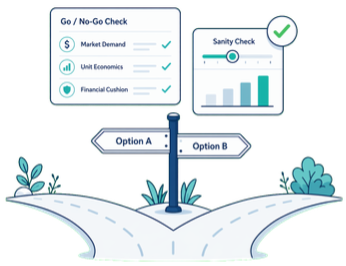
Where you trade
The guide above works as a planning framework. Confirm the rules, taxes and local context below before you commit.

Checklist
FAQ
Open where the timetable you need is easiest to sustain. Family-heavy suburbs often suit children’s programmes because parking and pickup matter, while central-isthmus locations may suit adult classes or specialised dance communities.
Either can work, but they create different hours, retention patterns and room use. Build the simulator around the segment you expect to fill most reliably, then treat the second segment as a separate growth step.
Test parking, waiting space, room layout, flooring, timetable density, teacher supply and whether your target students can realistically attend week after week in Auckland traffic conditions.
No. It is early planning support to help you structure assumptions before seeking qualified advice on finance, tax, lease, employment and compliance matters.
Sources
Disclaimer: smallbizsim.com provides indicative planning estimates only. It is not financial, legal, tax or investment advice. Verify assumptions with qualified advisers before making decisions.