Value pressure
Restaurant research keeps pointing to price sensitivity, convenience and memorable experience as the themes operators must design around.
Source: McKinsey
Business guides
Montreal bakery planning starts with the city taking bread, pastry and neighbourhood ritual seriously. Use the simulator to test whether your product mix can earn daily habit status without letting labour, ingredients and waste run ahead of demand.
Overview
A bakery in Montreal competes in a market shaped by French baking expectations, bagel and smoked meat traditions, café breakfast culture and loyal neighbourhood routines. That creates demand, but it also raises the bar on quality and freshness. A realistic model should separate daily bread, pastries, celebration orders, café supply and wholesale because each channel has different timing, labour and wastage. Quebec labelling and French-language presentation also belong in the operating plan, especially if you want the shop to feel truly local rather than imported.
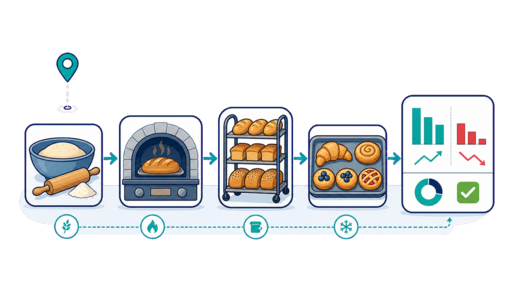
Key stats
Value pressure
Restaurant research keeps pointing to price sensitivity, convenience and memorable experience as the themes operators must design around.
Source: McKinsey
Food safety is not optional
Food businesses need documented food handling, allergen and hygiene processes before launch, not after the first complaint.
Benchmark the margins
Tax-office small-business benchmarks are useful sense checks for food cost, labour and rent assumptions, even though your site still needs its own model.
Source: ATO
Key concepts
Mile End, the Plateau, Rosemont and downtown all behave differently. A commuter edge may reward coffee and viennoiserie, while a residential street may depend more on bread subscriptions, weekend pastry runs and special-order cakes. Watch when customers actually line up before you decide what the first bake should be.
Montreal diners already know what good pastry and bread should feel like, so product quality and consistency matter from day one. If the menu references local traditions, make sure the shop can execute them credibly instead of relying on theme alone.
Early starts, proofing time, butter, flour, chocolate, packaging, utilities and cleaning create cost before the doors open. Build the forecast around batch sizes and sell-through rather than around how much equipment could theoretically produce.
Wholesale and café supply can smooth output, but they also bring lower prices, delivery work and account management. Keep those channels separate so a busy order book does not hide weak retail margin.
Audience and industry
Customers for a bakery or pastry shop in Montreal should be described by routine, not by broad demographics. Identify who buys, when they buy, how often they return, what alternatives they compare, and how far they will travel. For this business, the first demand hypothesis to prove is morning bread and pastry runs, café and wholesale orders, and repeat local customers.
Montreal supports bakeries that pick a clear lane: artisan bread, pastry-led breakfast, bagel-adjacent grab-and-go, celebration cakes or a neighbourhood boulangerie with repeat morning trade. The winning concepts usually fit one block and one ritual before they try to serve the whole city.
Competition in Montreal is not just the nearest similar operator. Include substitutes, online options, supermarkets, gyms, marketplaces, delivery platforms, shopping centres, petrol sites, home alternatives and any business that solves the same customer problem. Visit competitors at the same times you expect to trade.
Key factors
Proof of morning bread and pastry runs, café and wholesale orders, and repeat local customers in the exact Montreal catchment.
Rent, outgoings, lease obligations and fit-out spend compared with conservative sales.
production planning, baking schedule, freshness, display replenishment and wastage control
contribution per bread and pastry unit after ingredients, packaging, labour and wastage
Enough cash to survive delays, learning, seasonality and slower repeat-customer growth.
Finance model
Business Model Canvas
Specific Montreal customers with repeat need for morning bread and pastry runs, café and wholesale orders, and repeat local customers.
A bakery offer that is easier, faster, more trusted or more local than the alternatives.
Street visibility, local search, referrals, social proof, partnerships, delivery or marketplace channels as appropriate.
Sales driven by morning bread and pastry runs, café and wholesale orders, and repeat local customers; test price, volume and repeat rate separately.
flour and ingredients, packaging, wages, rent, utilities, oven energy and end-of-day waste; split fixed costs, variable costs and launch costs.
production planning, baking schedule, freshness, display replenishment and wastage control
A suitable site or channel, trained people, reliable suppliers, systems, permits and enough runway.
Landlord, suppliers, advisers, local marketers, delivery or fulfilment providers, and maintenance support.
Evidence-based assumptions, staged spending, conservative break-even checks and clear exit conditions.
Common mistakes
Using oven capacity as the sales forecast
Start with realistic neighbourhood sell-through by product and daypart, then size production around that evidence.
Trying to cover too many bakery traditions at launch
Pick a tighter product identity and earn repeat trade before expanding the menu.
Ignoring daily waste in the base case
Forecast stale, broken and unsold product by category and decide how markdowns or donations affect margin.
Case studies
A compact scenario showing how one assumption can change the result.
A compact scenario showing how one assumption can change the result.
Decision tree
Move to rent, capacity and margin stress tests.
Keep researching, pre-selling or testing with a smaller commitment.
Review startup risk, funding and compliance with advisers.
Renegotiate rent, reduce scope, change location or pause.
Prepare a launch plan with measured weekly review points.
Fix capacity, staffing, supplier or process constraints before spending more.
Self-evaluation
Early stage: tighten the assumptions before treating this as feasible.
Decision point
Use the simulator as a structured sanity check. It should support adviser conversations, not replace them.
Test your idea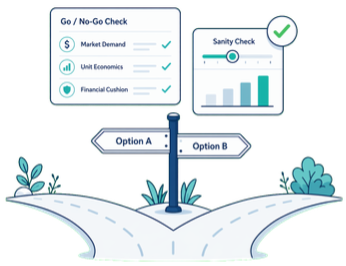
Where you trade
The guide above works as a planning framework. Confirm the rules, taxes and local context below before you commit.

Checklist
FAQ
They work best in neighbourhoods with a clear repeat ritual, such as morning commuters, family weekend trade, café spillover or loyal residential foot traffic.
Choose the lane that matches the catchment and your production strengths. Many strong bakeries launch with one signature bread or pastry identity instead of trying to be everything at once.
Check food permits, labelling, allergen communication, signage, lease approvals, staffing obligations and any Quebec language requirements that affect menus or product information.
No. It is early planning support to help you structure assumptions before seeking qualified advice on finance, tax, lease, employment and compliance matters.
Sources
Disclaimer: smallbizsim.com provides indicative planning estimates only. It is not financial, legal, tax or investment advice. Verify assumptions with qualified advisers before making decisions.