Value pressure
Restaurant research keeps pointing to price sensitivity, convenience and memorable experience as the themes operators must design around.
Source: McKinsey
Business guides
A Los Angeles bakery or pastry shop must match production planning to neighborhood routines, café supply opportunities and the freshness limits of each product. Test walk-in demand, pre-orders and wholesale accounts separately before rent or equipment commitments.
Overview
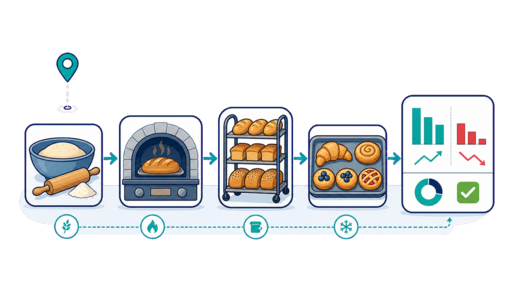
Bakery economics in Los Angeles depend on far more than a beautiful pastry case. Production capacity has to match realistic daily sell-through across morning commuters, neighborhood regulars, weekend destination traffic and café or restaurant accounts. Ingredient, packaging, utility and labor costs can move quickly, while unsold fresh stock turns into margin pressure at the end of the day. The simulator should separate retail, online pre-order and wholesale demand so a busy production schedule does not hide weak contribution.
Key stats
Value pressure
Restaurant research keeps pointing to price sensitivity, convenience and memorable experience as the themes operators must design around.
Source: McKinsey
Food safety is not optional
Food businesses need documented food handling, allergen and hygiene processes before launch, not after the first complaint.
Benchmark the margins
Tax-office small-business benchmarks are useful sense checks for food cost, labour and rent assumptions, even though your site still needs its own model.
Source: ATO
Key concepts
A Los Angeles site may rely on apartment residents, studio workers, school runs, weekend food explorers or nearby cafés. Each customer group buys at different times and may require different parking, pickup or delivery arrangements.
Observe actual bakery purchases, not just café traffic. If customers only visit as a weekend destination, weekday production and staffing need a separate conservative base case.
Wholesale and café supply can lift oven utilization, but it also adds early production, packing, route timing and lower prices. Model those orders separately from retail so volume does not disguise weaker margin.
End-of-day waste deserves its own line. A product range that photographs well can still fail if slow-moving specials create too much spoilage, cleaning time and ingredient complexity.
Audience and industry
Customers for a bakery or pastry shop in Los Angeles should be described by routine, not by broad demographics. Identify who buys, when they buy, how often they return, what alternatives they compare, and how far they will travel. For this business, the first demand hypothesis to prove is morning bread and pastry runs, café and wholesale orders, and repeat local customers.
Los Angeles has strong demand for specialty breads, pastries and dietary niches, but bakery performance is intensely local because driving patterns, parking, delivery radius and neighborhood habits shape how often customers return.
Competition in Los Angeles is not just the nearest similar operator. Include substitutes, online options, supermarkets, gyms, marketplaces, delivery platforms, shopping centres, petrol sites, home alternatives and any business that solves the same customer problem. Visit competitors at the same times you expect to trade.
Key factors
Proof of morning bread and pastry runs, café and wholesale orders, and repeat local customers in the exact Los Angeles catchment.
Rent, outgoings, lease obligations and fit-out spend compared with conservative sales.
production planning, baking schedule, freshness, display replenishment and wastage control
contribution per bread and pastry unit after ingredients, packaging, labour and wastage
Enough cash to survive delays, learning, seasonality and slower repeat-customer growth.
Finance model
Business Model Canvas
Specific Los Angeles customers with repeat need for morning bread and pastry runs, café and wholesale orders, and repeat local customers.
A bakery offer that is easier, faster, more trusted or more local than the alternatives.
Street visibility, local search, referrals, social proof, partnerships, delivery or marketplace channels as appropriate.
Sales driven by morning bread and pastry runs, café and wholesale orders, and repeat local customers; test price, volume and repeat rate separately.
flour and ingredients, packaging, wages, rent, utilities, oven energy and end-of-day waste; split fixed costs, variable costs and launch costs.
production planning, baking schedule, freshness, display replenishment and wastage control
A suitable site or channel, trained people, reliable suppliers, systems, permits and enough runway.
Landlord, suppliers, advisers, local marketers, delivery or fulfilment providers, and maintenance support.
Evidence-based assumptions, staged spending, conservative break-even checks and clear exit conditions.
Common mistakes
Forecasting sales from production capacity
Use observed demand and conservative sell-through by product before sizing the bake schedule.
Treating unsold pastries as minor waste
Assign freshness windows, markdown rules and disposal or donation assumptions to each product family.
Adding wholesale routes too early
Include packing, delivery time, lower pricing and account administration before accepting recurring orders.
Case studies
A compact scenario showing how one assumption can change the result.
A compact scenario showing how one assumption can change the result.
Decision tree
Move to rent, capacity and margin stress tests.
Keep researching, pre-selling or testing with a smaller commitment.
Review startup risk, funding and compliance with advisers.
Renegotiate rent, reduce scope, change location or pause.
Prepare a launch plan with measured weekly review points.
Fix capacity, staffing, supplier or process constraints before spending more.
Self-evaluation
Early stage: tighten the assumptions before treating this as feasible.
Decision point
Use the simulator as a structured sanity check. It should support adviser conversations, not replace them.
Test your idea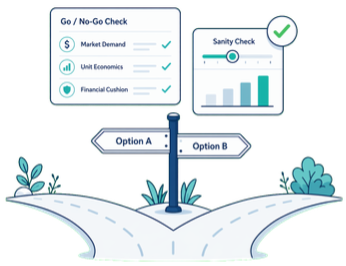
Where you trade
The guide above works as a planning framework. Confirm the rules, taxes and local context below before you commit.

Local context
Recent wage and health-permit requirements should be reflected in Los Angeles bakery staffing and compliance assumptions.
The City of Los Angeles minimum wage poster lists a city minimum wage increase effective July 2025, affecting bakery counter and production payroll assumptions.
Los Angeles County Public Health explains that food facilities need public health review, permitting and inspections before operating.
External developments for context only — verify against primary sources before relying on them.
Checklist
FAQ
Look for a neighborhood routine you can prove: morning commuters, residential bread buyers, café supply, weekend destination traffic or pre-order pickup. Parking, loading and delivery radius matter as much as broad demand.
Model each product family by batch size, freshness window and likely sell-through. Keep retail, pre-order and wholesale volumes separate so waste and labor are visible.
Confirm county health permits, plan review, food safety requirements, ventilation, waste handling, signage, employment rules and any city or building approvals before committing to a lease.
No. It is early planning support to help you structure assumptions before seeking qualified advice on finance, tax, lease, employment and compliance matters.
Sources
Disclaimer: smallbizsim.com provides indicative planning estimates only. It is not financial, legal, tax or investment advice. Verify assumptions with qualified advisers before making decisions.